How Most Pet-Sitting Tragedies Happen — A Clear, Actionable Guide for Pet Parents
Recent news stories from around the country show how quickly trust can be broken — pets returned injured or dead, owners left with unanswered questions. Most tragedies follow the same avoidable patterns. Here's what you can require before you ever hand over your keys.
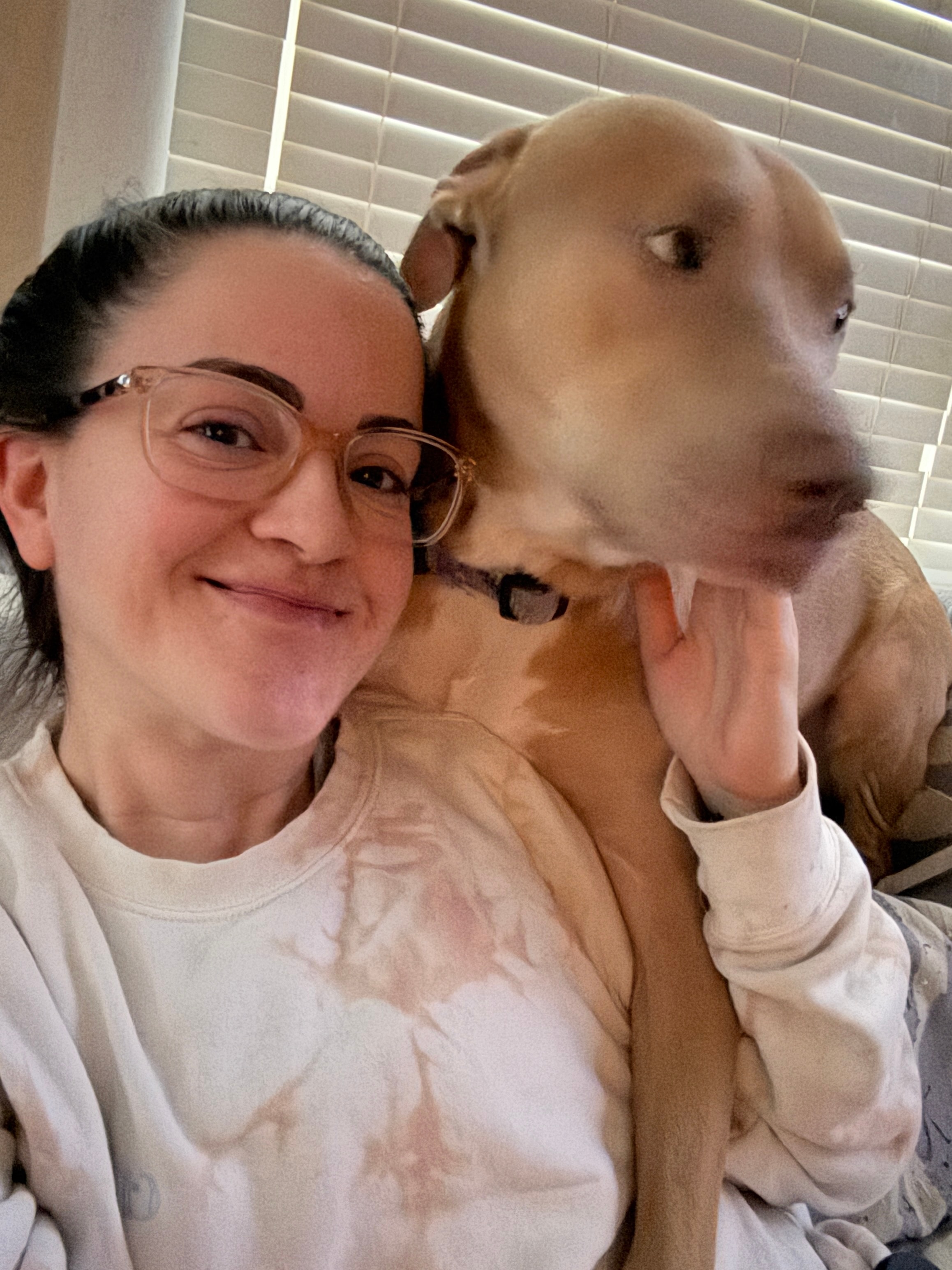
At Stay With Lacy, I provide professional in-home care for pet families throughout Stafford County, Virginia, and I wrote this guide to help you make confident choices for your pet.
When you hand your keys to someone else, you aren't just paying for a service — you're trusting that person with a family member. Recent news stories from around the country show how quickly that trust can be broken: pets returned injured or dead, owners left with unanswered questions, and investigations that take months. These tragedies are heartbreaking, and many follow the same avoidable patterns. Read on to learn how most incidents happen, what concrete steps you can require before you book, and how Stay With Lacy's approach reduces the chances of any of this ever happening to your pet.
Recent Examples That Remind Us to Be Vigilant
A few recent, well-reported cases show how serious the problem can be. In Hollywood, Florida, a family returned from travel to find their French bulldog had died while in the care of a sitter booked on a marketplace app; police opened an investigation and the sitter's platform account was deactivated. In Los Angeles, a rescue dog arrived with catastrophic internal injuries and was later euthanized; the owner requested a necropsy and questioned the sitter's account of events. And in San Francisco, community reporting and police inquiries followed after multiple dogs suffered dehydration or other neglect while staying with one sitter listed on a marketplace platform.
These cases are different in detail but similar in outcome: the family's trust was betrayed and a preventable tragedy occurred.
The Six Common Ways Pet-Sitting Care Breaks Down
Across many investigations, six failure modes show up again and again. Understanding them gives you the power to prevent them.
1. Poor or Evasive Communication
One of the earliest warning signs is the quality of communication. When a sitter delays updates, gives vague responses, or offers a dismissive explanation after an incident, owners are left without the information they need to act. In emergencies, minutes matter; if a sitter isn't prepared to communicate clearly and quickly, the window for lifesaving care can close.
Before you book, require a written communication plan that includes guaranteed response times and daily timestamped photos so you can verify your pet's condition while away.
2. Inadequate Vetting and Rotating Caregivers
Marketplace platforms make it easy to book someone quickly, and many sitters work hard and love animals. But profiles and star ratings don't always tell the whole story. Problems arise when businesses rotate multiple caregivers who weren't the person you met, or when background checks and references are superficial.
Pets do best with consistent caregivers who know their routines and quirks. Insist on meeting the actual person who will provide care and get written confirmation that no substitutes will be used without your prior approval.
3. No Clear Emergency Authorization or Plan
Emergencies — heatstroke, poisoning, sudden collapse — require immediate veterinary care. Too often, sitters either lack written permission to seek emergency treatment or don't have a plan for getting a pet to a nearby clinic after hours. A signed emergency authorization that names a local 24/7 emergency clinic gives the sitter the legal ability to act fast and spares you the agonizing delay of trying to be reached in the middle of the night. Ask for a copy of that authorization before you walk out the door.
4. Unsafe Housing or Hidden Conditions
Owners assume their animal will be kept in a safe, climate-controlled space. But reporting shows pets left in sheds, parked vehicles, unconditioned rooms, or outside crates — sometimes without the owner's knowledge. Those hidden conditions become life-threatening in hot or cold weather.
Before you leave, either do an in-person walkthrough or request a short video tour showing where your pet will sleep and spend most of its time; confirm that the space has working climate control and a backup plan for outages.
5. Unsafe Groupings and Undisclosed Animals
Crowding unrelated animals, mixing sizes or temperaments, or failing to disclose how many animals are being cared for increases the chance of stress, fights, and serious injury. A sitter who manages more animals than they admit may be overwhelmed and unable to supervise closely. Require a written plan stating whether other animals will be present and how animals will be separated when needed. If your pet has special needs, demand separate housing.
6. Substance Exposure, Neglect, or Abuse
Less common — but catastrophic — are cases involving toxins, intentional harm, or neglect that is severe enough to cause death. Some investigations have found pets testing positive for substances, or video evidence showing abusive handling. These situations call for immediate preservation of evidence, necropsy, and legal action. If you suspect any wrongdoing, preserve all communications and records, contact your veterinarian right away, and report the case to local animal control and law enforcement.
What Platforms Do — and Where Owners Still Need to Act
When a serious incident is reported, many online platforms will deactivate a sitter's profile quickly and offer reimbursements or guarantees. Those responses help stop the sitter from taking more bookings, and they provide short-term financial support. But account deactivation is not the same as legal accountability or a full explanation of what happened.
Investigations by police, necropsies by veterinary pathologists, and civil claims take time. In the meantime, owners need immediate documentation, transparency, and a care plan that could have avoided the event in the first place.
Concrete Steps Every Pet Owner Should Require
You can dramatically reduce risk by making a sitter meet a clear set of requirements before you hand over your keys:
- Meet & Greet in person with the actual caregiver who will provide services. No exceptions. Learn more about what to expect at a Meet & Greet.
- Signed emergency authorization naming a local 24/7 emergency clinic and permission to authorize treatment immediately.
- A written care plan covering feeding, medications, exercise, sleep location, and crate rules.
- Daily timestamped photo updates — more often for seniors, medical cases, or anxious pets.
- Proof of licensing, bonding, insurance, and at least two recent references who can speak to emergency responsiveness.
- A written statement that no substitutes or additional animals will be used without your prior, written approval.
- Verification of the housing space via a short video tour or in-person walkthrough, including confirmation of climate control.
- A transport and contingency plan for A/C or power failure, extreme weather, or clinic closures.
For a full pre-trip checklist, see The Essential Pet Parent Checklist.
How Stay With Lacy Does Things Differently
At Stay With Lacy, we designed our operations to eliminate the common failure modes above:
Single-caregiver model: The person you meet is the person who cares for your pet. No rotating crews, no surprise substitutes. Familiarity matters for safety and wellbeing.
Mandatory Meet & Greet: We always meet pets in person before confirming a booking so we can assess behavior, temperament, and specific needs.
Licensed, bonded & insured: We maintain required licensing, bonding, and insurance to protect pets and homes.
Invisible Guest Guarantee: We keep your pet's routine and your home intact whenever possible — pets stay where they are most comfortable.
Emergency readiness: We maintain signed emergency authorizations, a designated local emergency clinic, and a clear transport and expense plan so that urgent care is never delayed.
Real-time accountability: Every visit includes timestamped photo updates and written visit notes; medication and behavior logs are kept on file.
Written intake and medication records: We document every detail about meds, dosages, vet contacts, and care instructions and make those records available to you.
If Something Goes Wrong — Immediate Steps to Take
If the worst happens, swift documentation and action help preserve facts and support any investigation:
- Request timestamped records and any photos/videos from the sitter immediately.
- If your pet is deceased or severely injured, arrange for a necropsy without delay — preserve the body appropriately until a veterinarian can examine it.
- Save every communication: texts, emails, platform messages, invoices — everything matters.
- Report the incident to local animal control and law enforcement if you suspect neglect or abuse.
- Ask your veterinarian for copies of all medical and forensic testing.
- Contact the platform's Trust & Safety team if you booked through an app and request a written incident report.
A Final Word — Preparation Protects Most of the Time
The headlines are painful, but they give us a clear lesson: most sitter-care tragedies are avoidable with careful planning and firm expectations. Don't let convenience override safety. Verify credentials, insist on written plans and emergency authority, and choose providers who show transparency, consistency, and readiness to act.
If you'd like to schedule a Meet & Greet with Stay With Lacy, we're here to answer every question and walk you through exactly how we keep your pet safe. Our professional dog sitting and house sitting services are built around the protections described above. Book your Meet & Greet today.
Explore Topics
Written by
Lacy Jones
Content creator and writer sharing insights and stories.